

BPRC Research | Research Programmes Human Health | Comparative Genetics

Genes are often called the blueprint for a species. They are made from DNA, and are passed from one generation to the next. The closer animal species are related to one another the more similar their genes will be. For example the genes of the domestic cat are more similar to the genes of a lion than they are to the genes of a dog because in evolutionary terms cats and lions are more closely related than cats and dogs. Each gene contains the code to make one (or sometimes more) proteins. It is the proteins that actually do the work, controlling and ordering most processes that occur in the cells and in the body.

Phylogenetic analysis of primate MHC immune response genes
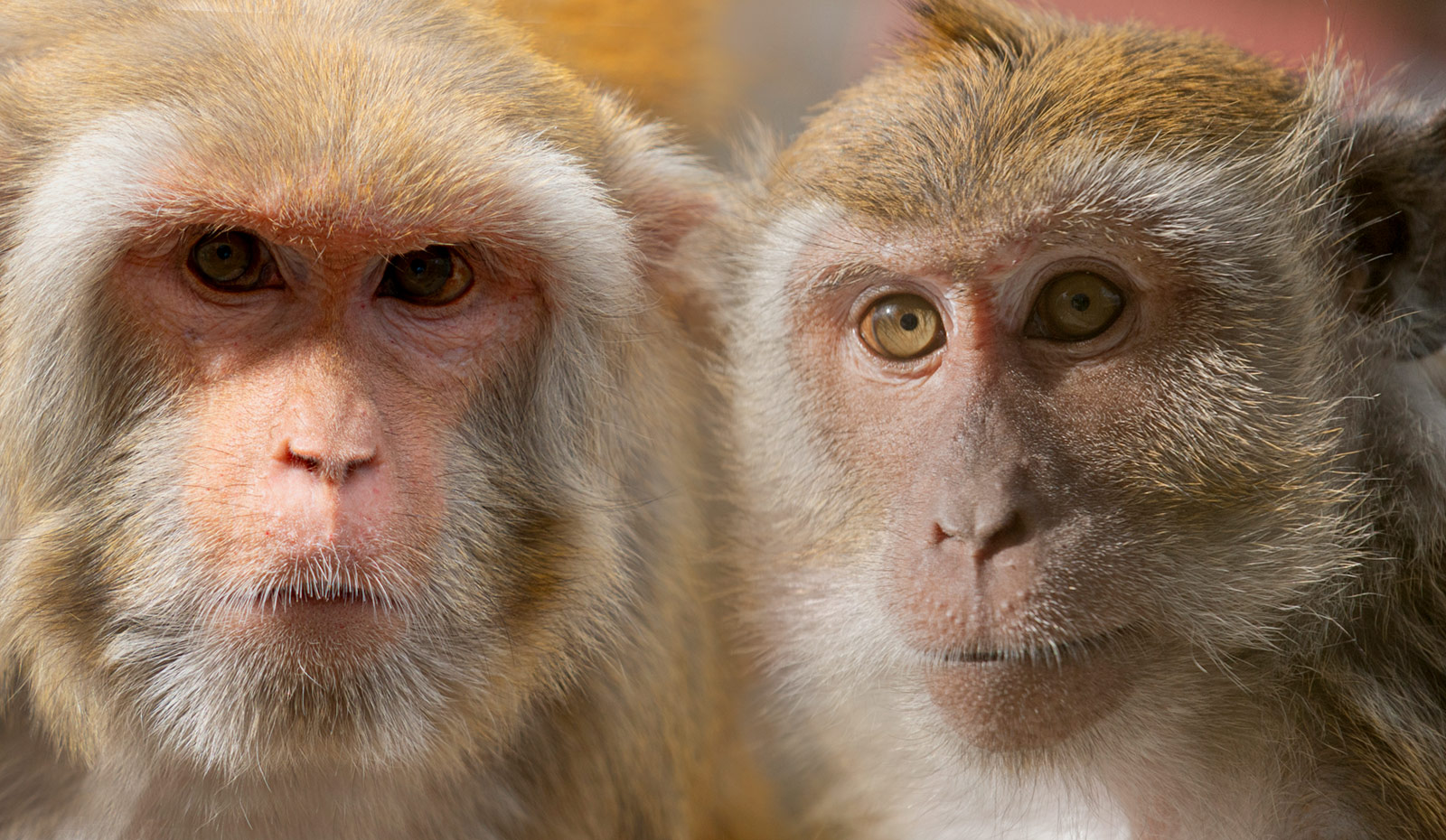
In the Department of Comparative Genetics, similarities and differences between the genes of different primate species are studied. This gives important information about how closely different primates are related in evolutionary terms. This work has shown how similar the genes of non-human primates are to human genes. This means that their proteins are also very similar, which in turn means that humans and non-human primates will have similar reactions to medicines (as medicines usually work against proteins) and to disease problems. Deeper comparisons between genes of humans and non-human primates (for example looking at the many different genes that control immune responses) can also give vital information for scientists.

Genes that make protein that control the immune response are involved in infectious diseases, autoimmune diseases and transplantation responses, all of which are major areas of investigation at the BPRC. Some genes can be different from one individual to another (for instance genes controlling hair colour) and some genes, especially in the immune system, are so variable from one individual to another that it is very rare to find two people with the same genes. These are called polymorphic genes, and they are often involved in determining whether an individual is susceptible or resistant to disease. These polymorphic genes are the main reason that transplantation is so difficult (they are seen as foreign genes by the recipient of a transplant, causing an immune response that can end up causing rejection of the transplant).

Because these genes are so central to the immune response, and study of the immune response is a central activity at the BPRC, special emphasis is put on the study of these polymorphic genes in animals kept in the BPRC colonies. We already know what polymorphic genes there are in most of our breeding colony animals, in particular genes that form part of the Major Histocompatibility Complex (MHC). Research at the BPRC focuses on MHC genes because these control important immunological functions such as antibody production and lysis (killing) of cells infected with infectious diseases.

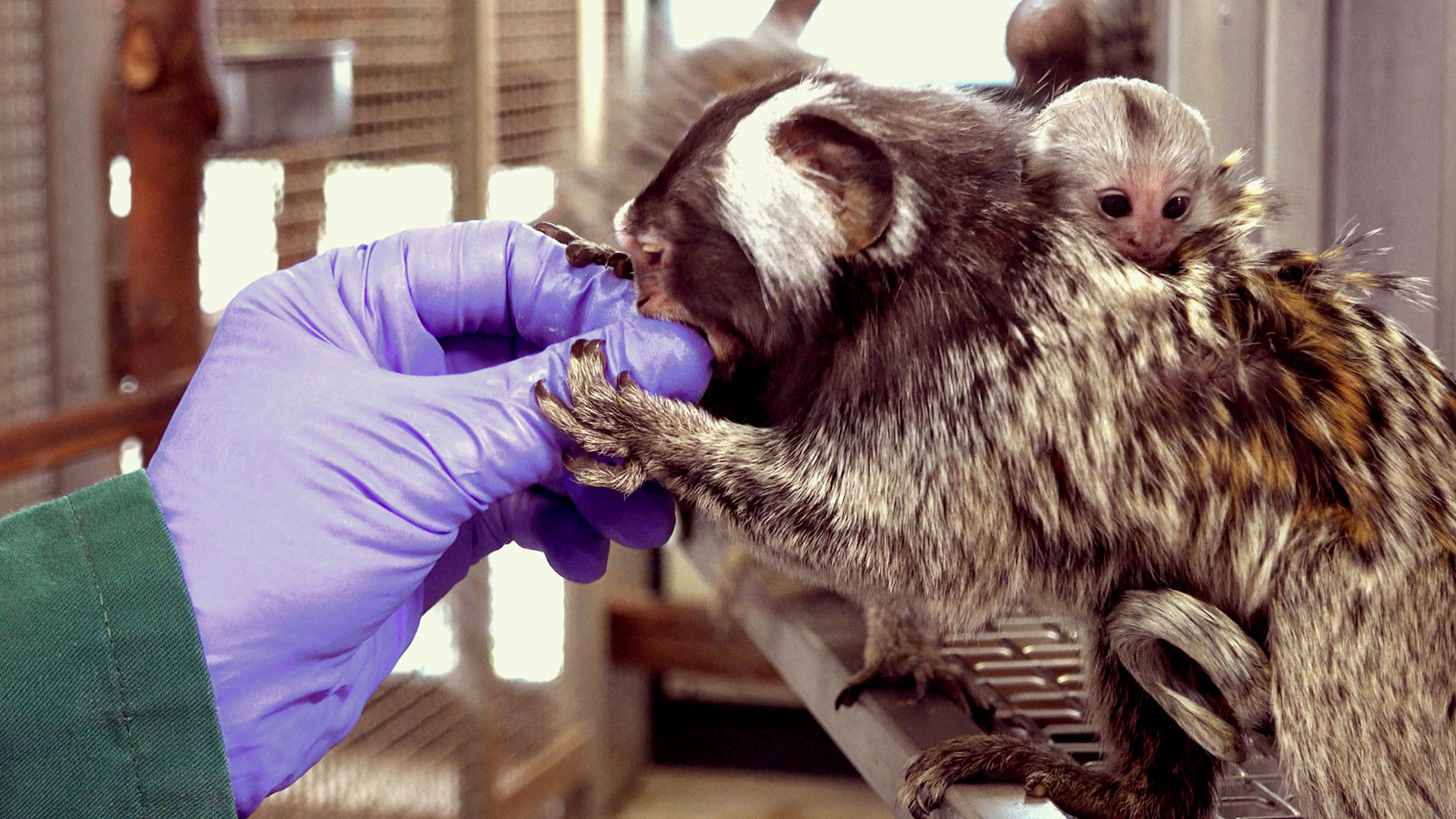
To ensure that the non-human primate colonies at the BPRC have a healthy breeding programme (in other words to avoid in-breeding), animals in the colonies are monitored by following the inheritance of MHC genes.

This information also allows the careful selection of animals for tailor-made experiments that have predictive value for the clinical situation. This ability to select animals with the desired immune responses plays an increasingly important role in helping to reduce the numbers of animals required for experiments.

AT 17/02/03

last updated: maa, 24 jan 2005