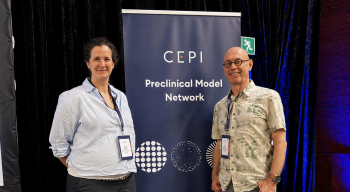
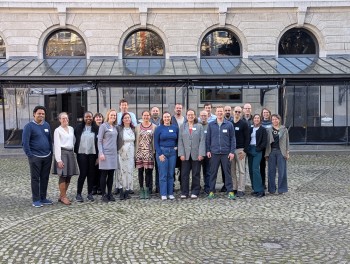
BPRC participated in the international CEPI meeting on preparing for future pandemics. Global collaboration, scientific expertise and research infrastructure are essential for the rapid development of vaccines and medical countermeasures. As part of the CEPI network, BPRC contributes to better preparedness for future health threats.
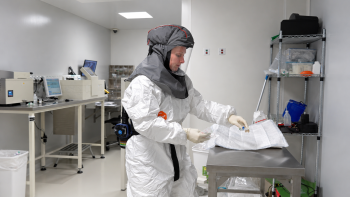
A feature in the Reformatorisch Dagblad offers a behind-the-scenes look at BPRC, from animal care to research on long COVID and malaria. It shows how animal models and animal-free innovations work together to advance scientific understanding and the development of new treatments.
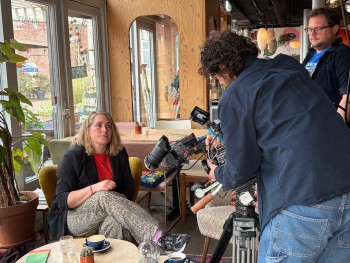
BPRC neuroscientist Jinte Middeldorp appears in Jekels jacht naar het eeuwige leven to explain research into ageing and the effects of young blood on the body. The programme highlights how fundamental research contributes to longer and healthier lives.

Researchers from around the world will gather at Yale University in June for an international meeting focused on antibodies and immune receptors.

Hundreds of thousands of bees thrive on the BPRC campus, supporting biodiversity while producing much more than honey. Beekeeper Maarten explains how the colonies contribute to a healthy ecosystem and why the site has become a true paradise for bees.

European primate research centres are strengthening their collaboration to help Europe become better prepared for future health crises.

Why is research with monkeys sometimes still necessary? BPRC explains its role in healthcare and how this research is conducted as carefully as possible.

The article on BPRC in De Telegraaf offers insight into our work, highlighting animal care, scientific research and the role of monkeys in studies on serious diseases. It also addresses the ethical considerations and broader societal debate, with transparency and necessity at the core of the discussion.
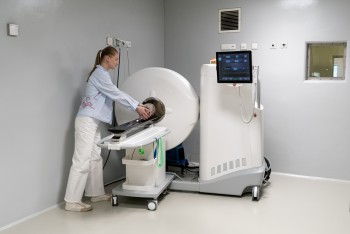
A new tracer designed to visualize inflammation in the body turns out to be less suitable than anticipated. That’s the outcome of research by PhD student Julia van der Bie. Her findings were published in Molecular Imaging and Biology — her first scientific publication.

Often working behind a glass safety cabinet, with her hands in gloves through openings in the screen and wearing protective…

Parkinson's disease is the fastest-growing neurological disorder in the world.
A promising malaria vaccine that has shown up to 90 percent protection in early studies is moving into the next phase.